Your Trusted Automotive Resource for Swiss Roads
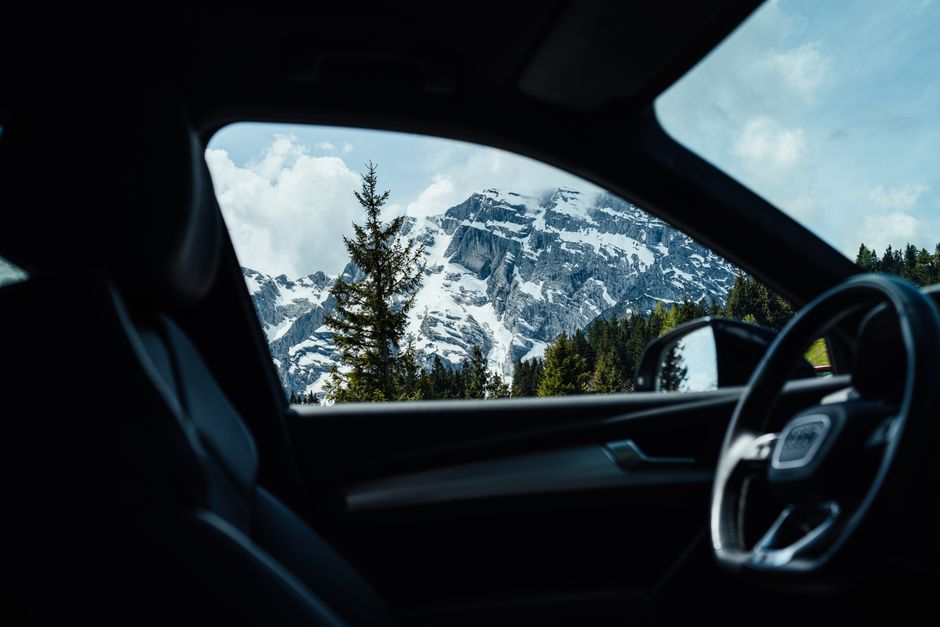
Autoventra is built specifically for drivers who navigate Switzerland's demanding road conditions — from steep alpine passes to icy urban streets. We provide clear, practical guidance on car maintenance, seasonal preparation, and vehicle troubleshooting so you can drive with confidence year-round. Switzerland's climate and terrain place unique demands on vehicles, and generic advice rarely accounts for altitude, rapid temperature swings, or narrow mountain roads. Our content is researched with Swiss driving realities in mind, covering everything from tyre regulations to brake system care at high elevation. Whether you're a daily commuter in Zurich or a weekend driver heading into the Valais Alps, Autoventra gives you the knowledge to keep your vehicle safe and roadworthy. We believe that well-informed drivers make better decisions — and that starts with reliable, honest information.
Seasonal Tyre Care
Swapping between winter and all-season tyres at the right time is critical in Switzerland, where mountain roads can become hazardous overnight. We guide you through tread depth checks, correct storage, and the legal requirements that apply in Swiss cantons. Understanding when and why to change your tyres prevents accidents and protects your investment.
Engine & Fluid Checks
Cold Alpine winters and hot summer climbs stress your engine fluids in ways that moderate climates do not. Autoventra outlines a practical schedule for checking coolant, oil viscosity, and brake fluid that accounts for seasonal temperature extremes. Staying ahead of fluid degradation reduces breakdown risk on remote mountain roads where roadside assistance can take time to arrive.
Brake System Maintenance
Long descents on Swiss alpine passes generate intense heat in brake systems, accelerating wear on pads and rotors. We explain the warning signs of brake fade, how to inspect pad thickness yourself, and when a workshop visit is essential. Proper brake maintenance is the single most important safety habit for mountain driving.
Battery & Electrical Reliability
Sub-zero temperatures significantly reduce battery capacity, and a failed battery in a mountain tunnel or on a snowy col is a serious situation. Our guides cover how to test battery health before winter, what cold cranking amps mean for Swiss conditions, and how to handle a dead battery safely. We also address common electrical faults triggered by moisture and road salt.
Winter Driving Readiness
Preparing for a Swiss winter means more than fitting snow tyres — it involves checking your lighting, topping up windscreen washer fluid rated for below -20°C, and ensuring your heating and demisting systems work properly. Autoventra provides a comprehensive pre-winter checklist that covers every system affected by cold weather. Following a structured approach reduces the chance of a preventable breakdown during the most demanding months.
Alpine Road Safety
Mountain passes present specific hazards including ice patches in shaded sections, falling rocks, and sudden fog that can reduce visibility to a few metres. We explain the driving techniques recommended for Swiss alpine conditions, from engine braking on descents to safe following distances on hairpin bends. Understanding these scenarios in advance allows you to react calmly rather than instinctively when conditions change.
Emergency Preparedness on Remote Roads
Many Swiss alpine routes pass through areas with no mobile reception and limited passing places, making self-sufficiency essential. Autoventra covers what to keep in your vehicle emergency kit, how to handle a tyre puncture on a narrow mountain road, and when to turn back rather than continue through deteriorating weather. Being prepared reduces risk dramatically and shortens the duration of any roadside incident.
Warning Light Diagnosis
Dashboard warning lights appear at the worst moments, and knowing which ones require immediate action versus a workshop visit at your convenience can save you from unnecessary stress or costly delays. Autoventra explains the most common warning indicators across popular vehicle makes sold in Switzerland, with clear guidance on safe next steps. We focus on practical interpretation rather than technical jargon.
Unusual Noises & Their Causes
Rattles, squeaks, and grinding sounds each point to specific mechanical issues that become worse if ignored. Our troubleshooting guides help you identify whether a noise is coming from the suspension, brakes, exhaust, or engine bay, and what it typically indicates about component wear. Early identification of noise sources consistently leads to lower repair costs.
Cold Start Problems
Difficulty starting a car in cold temperatures is a common issue for Swiss drivers, particularly at altitude where air density affects combustion. We cover the most frequent causes — from low battery voltage to thickened oil — and walk you through a logical diagnostic sequence you can follow yourself before calling a mechanic. Many cold-start issues have straightforward solutions that do not require a workshop visit.